Insulation Removal, Air Sealing & Thermal Imaging in Airdrie
Some of the most valuable insulation work adds no insulation at all. Removing contaminated material, sealing the leaks under it, closing up a damp crawl space and scanning the house with an infrared camera are the steps that make new insulation work as it should.
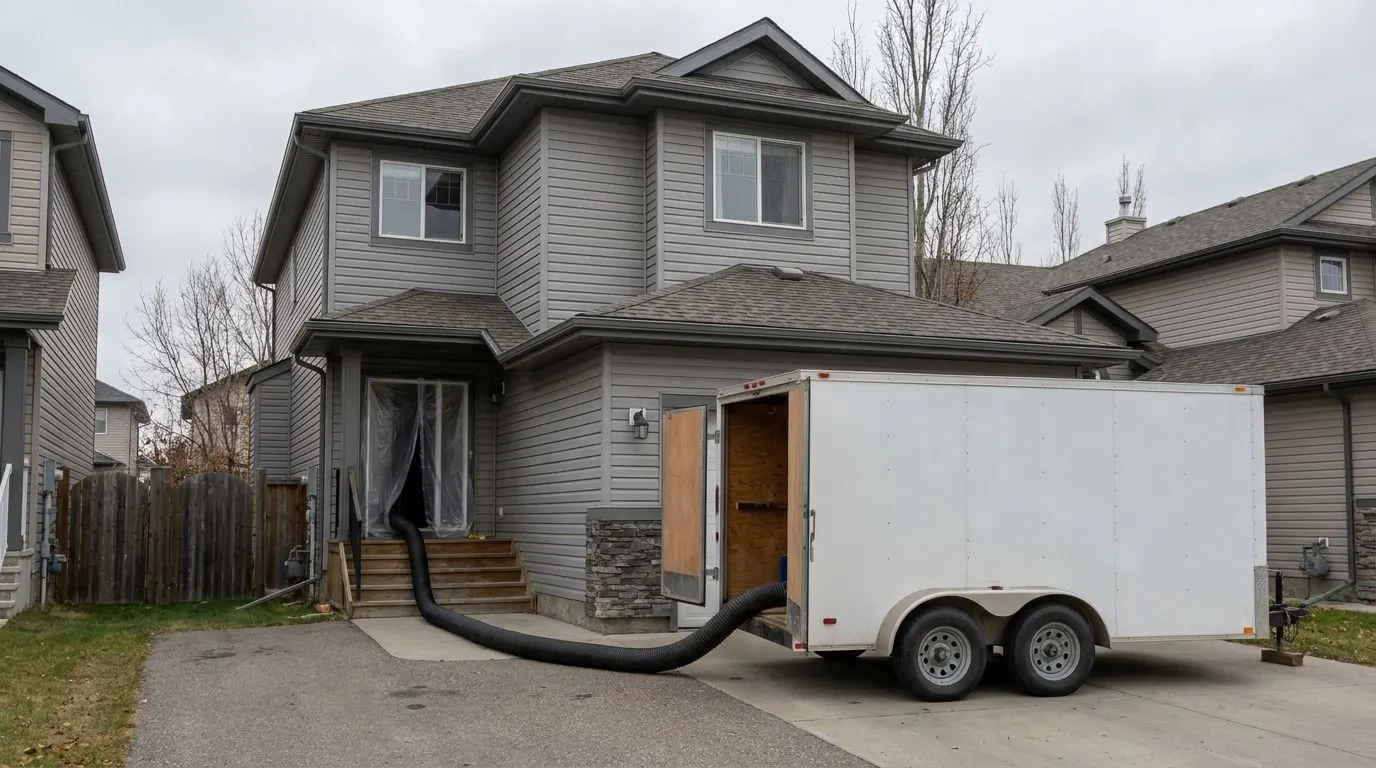
How These Systems Differ
The services in this group are the diagnostic and preparation work that comes before, or instead of, a straightforward top-up. They exist because insulation cannot do its job in a house that leaks air, sits over wet ground or is filled with material that has already failed. Blowing more fibre over those problems hides them. These services find them, remove them or close them off, so that whatever insulation goes in afterwards starts from a clean, sealed and understood surface.
HEPA vacuum removal takes out attic insulation that is soiled by rodents, soaked by leaks or frost, mouldy or smoke-damaged, and leaves the ceiling plane exposed and clean. Attic air sealing closes the holes through that ceiling by hand: wiring and plumbing penetrations, top plates, fixtures, hatches, and flue chases, each with the right material. Crawl space encapsulation deals with the other end of the house, sealing the ground with a heavy liner and insulating the foundation walls and rim joists with closed-cell foam. Thermal imaging and draft audits tie the others together by showing where the heat and air are actually going.
These services often run in sequence. A scan identifies the problem, removal clears a failed attic, sealing closes the leaks, new insulation goes in, and a second scan shows the result. They are also sold separately, because not every house needs every step. A clean attic with thin insulation needs sealing and a top-up, not removal. A house with a clear, known problem may not need a scan first. The job is to do the steps that change the result, and to say plainly which ones do not.
Removal & Air Sealing Services
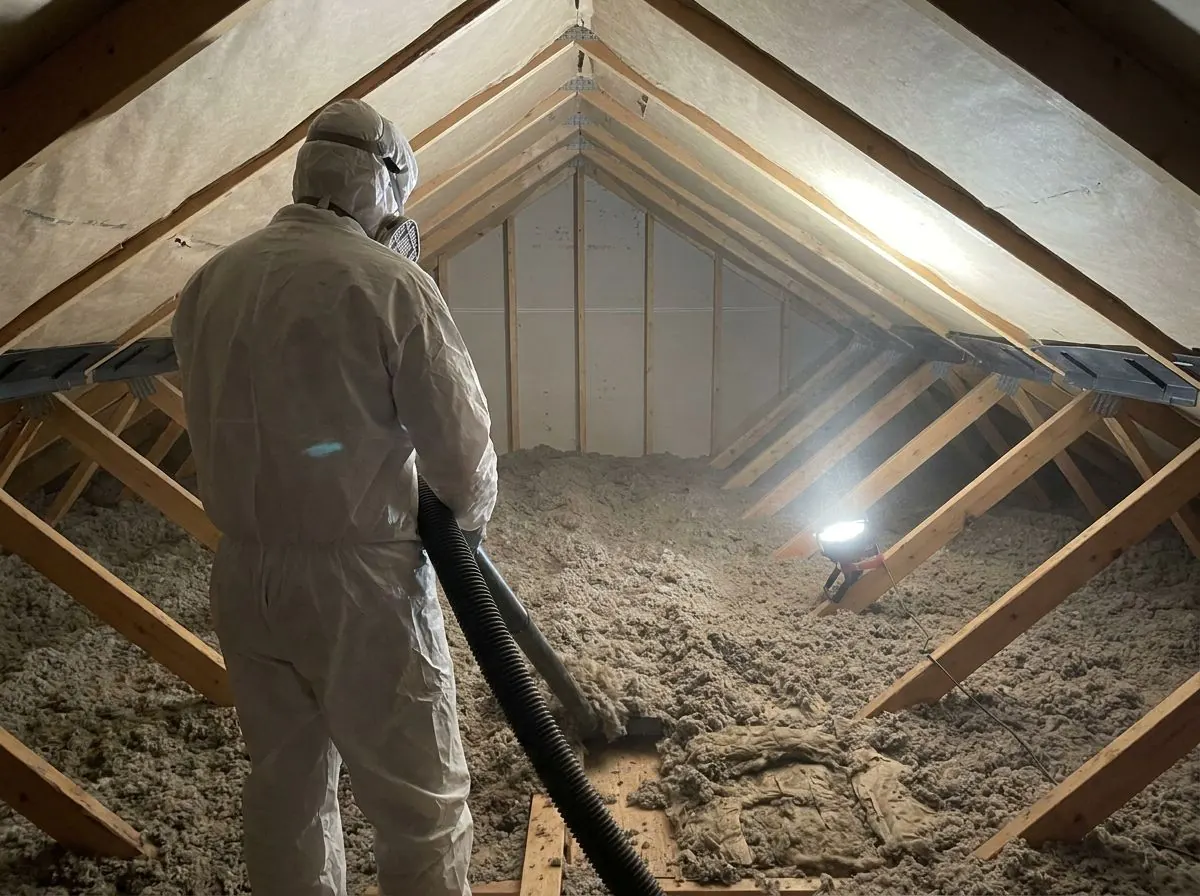
HEPA Vacuum Attic Insulation Removal
HEPA extraction of contaminated, wet or rodent-damaged attic insulation.
How it works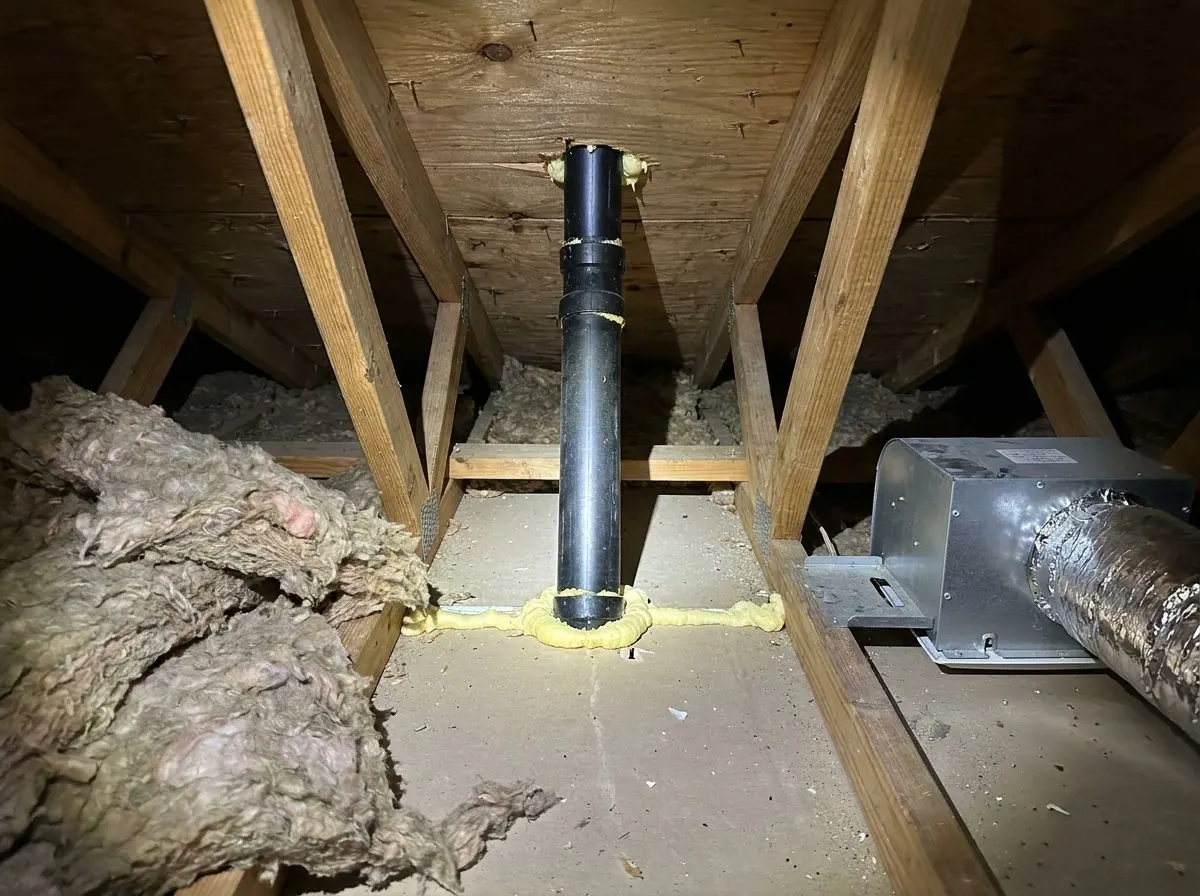
Attic Air Sealing & Penetration Proofing
Hand-sealing stacks, wiring holes, top plates, fixtures and flue chases.
How it works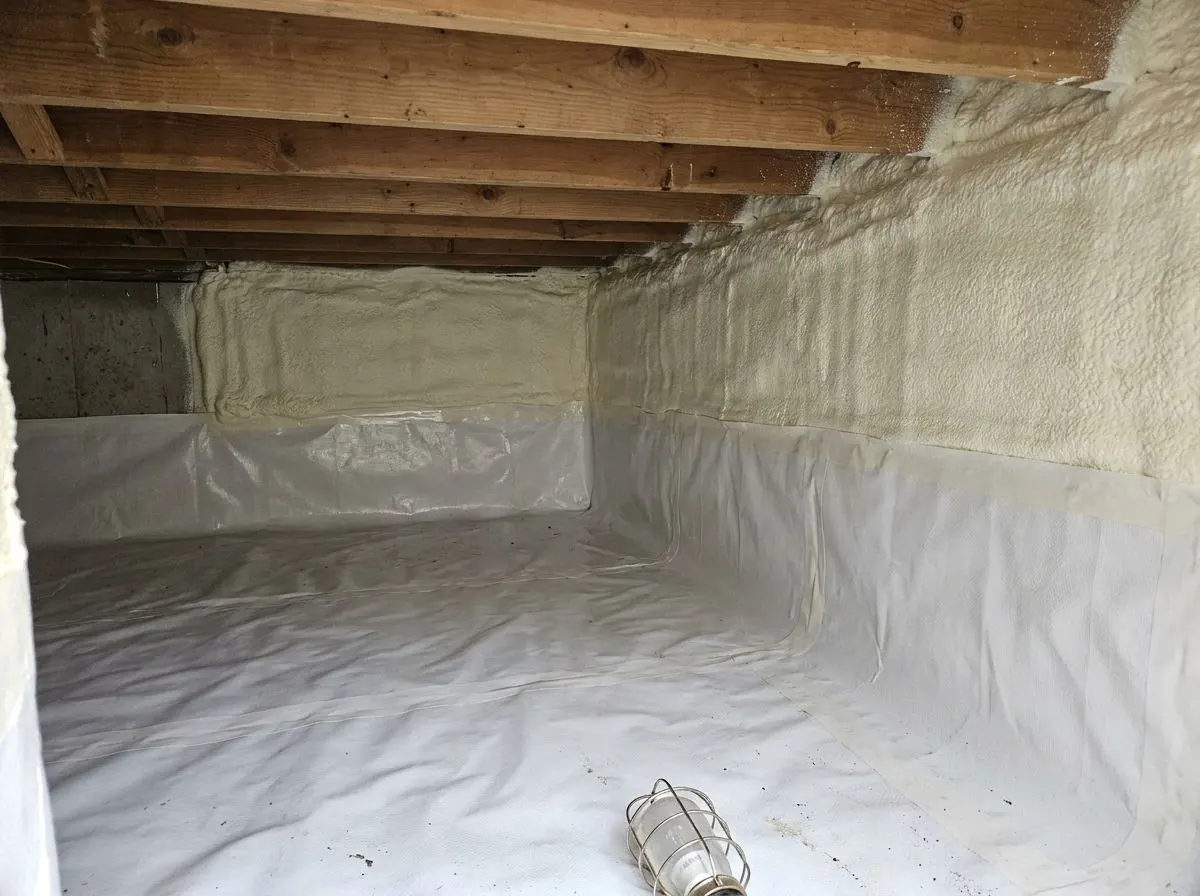
Crawl Space Encapsulation
Reinforced ground liner plus closed-cell foam on crawl space walls and rims.
How it works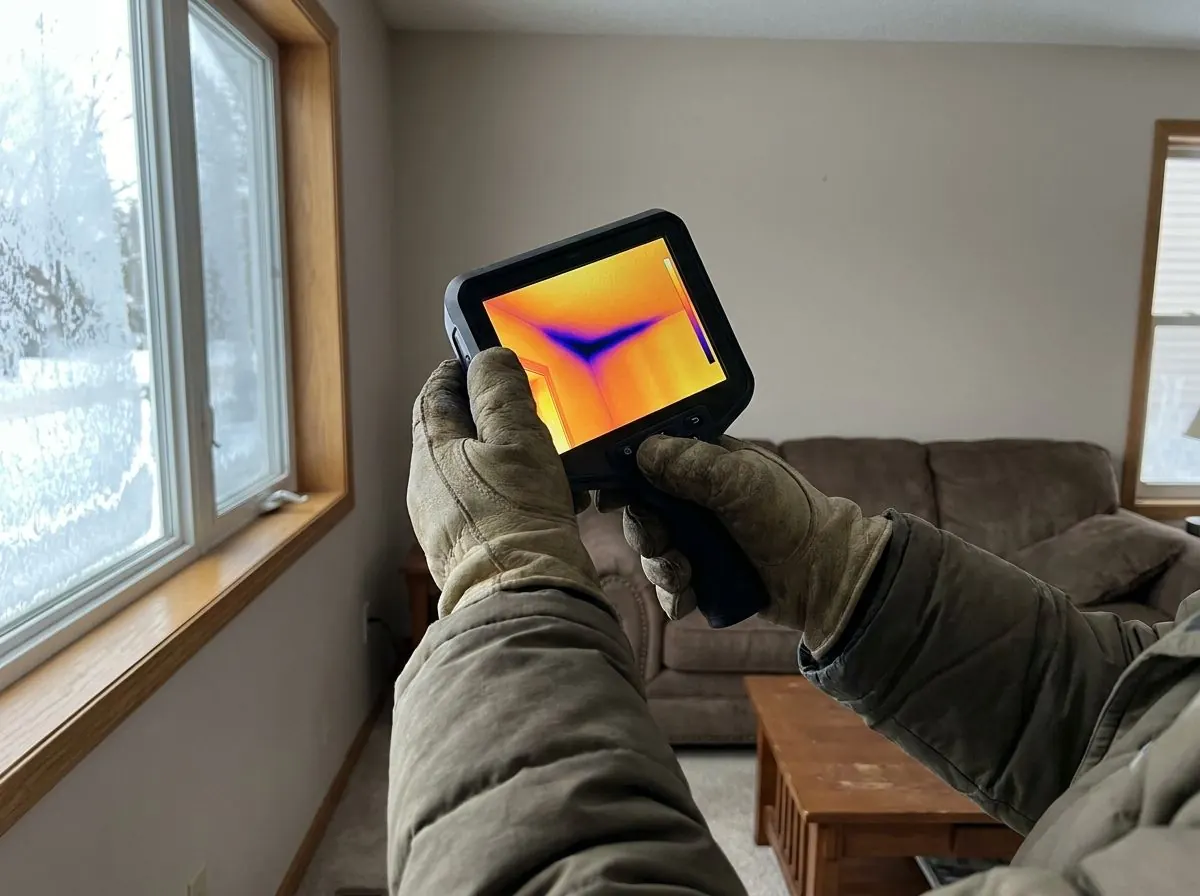
Thermal Imaging & Draft Audits
Infrared scans to find leaks and gaps, with before-and-after images.
How it worksChoosing Between Them
- Contaminated or wet attic
- Start with HEPA removal if mice, mould, water or smoke have got into the insulation. If you see grey-brown or gold pebbles, stop: that may be vermiculite, which needs asbestos testing first.
- Clean attic, high heating bills
- Choose attic air sealing, usually followed by a top-up. Sealing first is what makes the added insulation effective and reduces moisture reaching the attic.
- Cold floors over a crawl space
- Look at crawl space encapsulation once any water or drainage problems are fixed. Ask about radon testing and keeping the soil-gas rough-in intact.
- Cold rooms with no obvious cause
- Book a thermal imaging draft audit in cold weather before spending on a fix. It shows whether the loss is in the attic, walls, rim joists or a floor over the garage.
Removal & Air Sealing: Common Questions
In what order should removal, air sealing and new insulation be done?
Do these services qualify for energy efficiency rebates?
Can one visit cover several of these services?
Other Insulation Services
Talk to Us About Removal & Air Sealing
Tell us what the space is and what is going wrong. We will recommend the system that fits, including when a cheaper one will do.