Fixing Cold Rooms, Ice Dams & Noise: Home Insulation Solutions in Airdrie
Start with the problem you live with, not the product. A freezing bonus room, a ceiling that drips after a chinook, a basement that never warms up, footsteps through a suite ceiling, a garage that eats heat or a mobile home with frozen lines each has a specific cause, and each needs a different fix.
How These Systems Differ
The pages in this section are organised around symptoms. Each one explains why that problem happens in Airdrie-area homes, what actually solves it, and the order the work has to happen in. Most of these fixes use materials that have their own pages on this site, such as closed-cell spray foam, blown-in cellulose, acoustic batts or air sealing. The difference here is the diagnosis: knowing which surface is losing heat, where the air is moving and what else in the house has to change for the insulation to work.
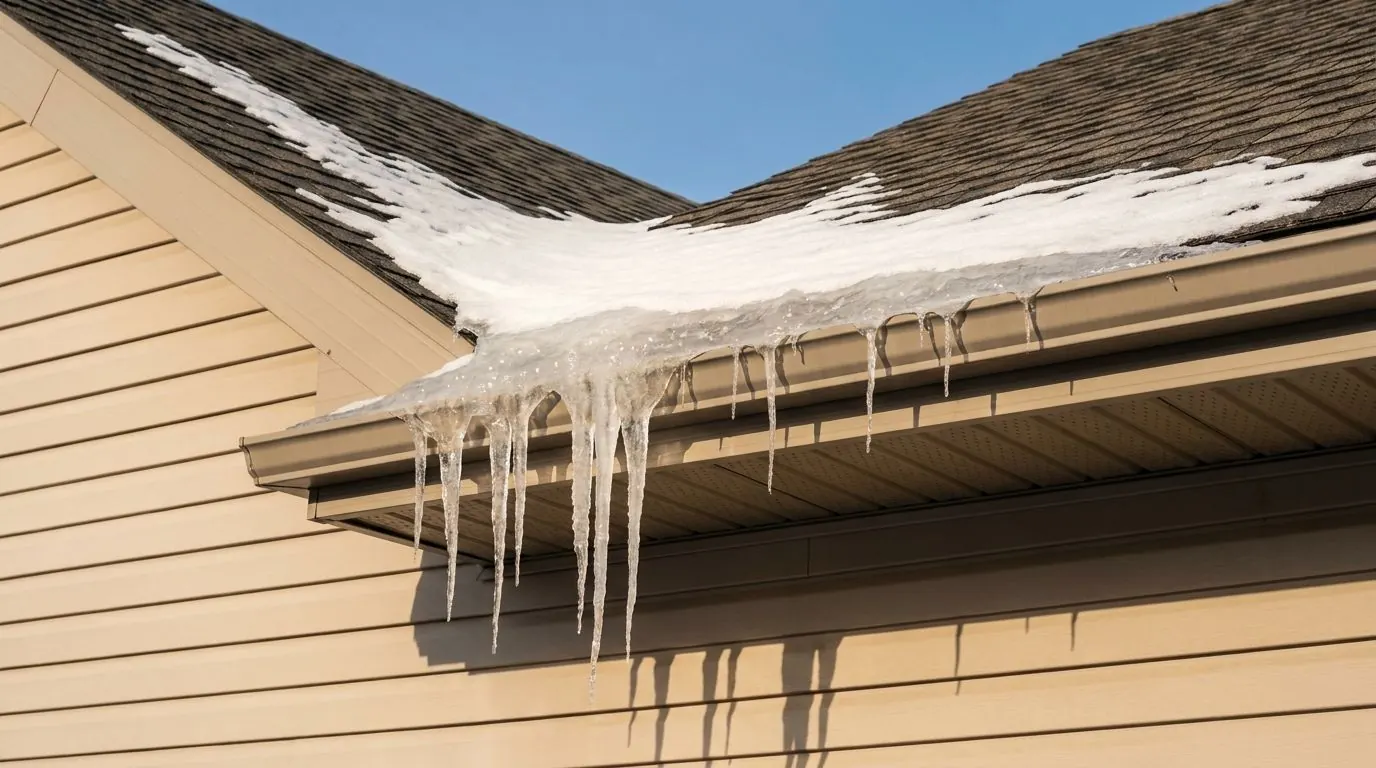
Three of the problems are about heat and air in the main house. A bonus room over the garage is cold because air washes through the floor under it, so the fix is closed-cell foam tight to the underside of the subfloor and a gas-tight garage ceiling. Ice dams and attic frost come from warm, moist air leaking into the attic, so the fix is air sealing, soffit baffles and a top-up toward R-60, in that order. Cold basements usually trace back to leaky rim joists and poorly detailed foundation walls, which closed-cell foam seals and insulates in one layer.
The other three are about particular kinds of space. Sound isolation between a secondary suite and the main home depends on the whole ceiling or wall assembly, including acoustic batts, decoupling, added drywall mass and sealed edges. Detached and heated garages need a plan for the ceiling, walls, overhead door and sometimes the floor, plus protection over any exposed foam. Mobile and manufactured homes lose heat through damaged belly boards and drafty skirting, and the repairs have to respect water lines, access panels and the manufacturer’s limits.
Home Problem Solving Services
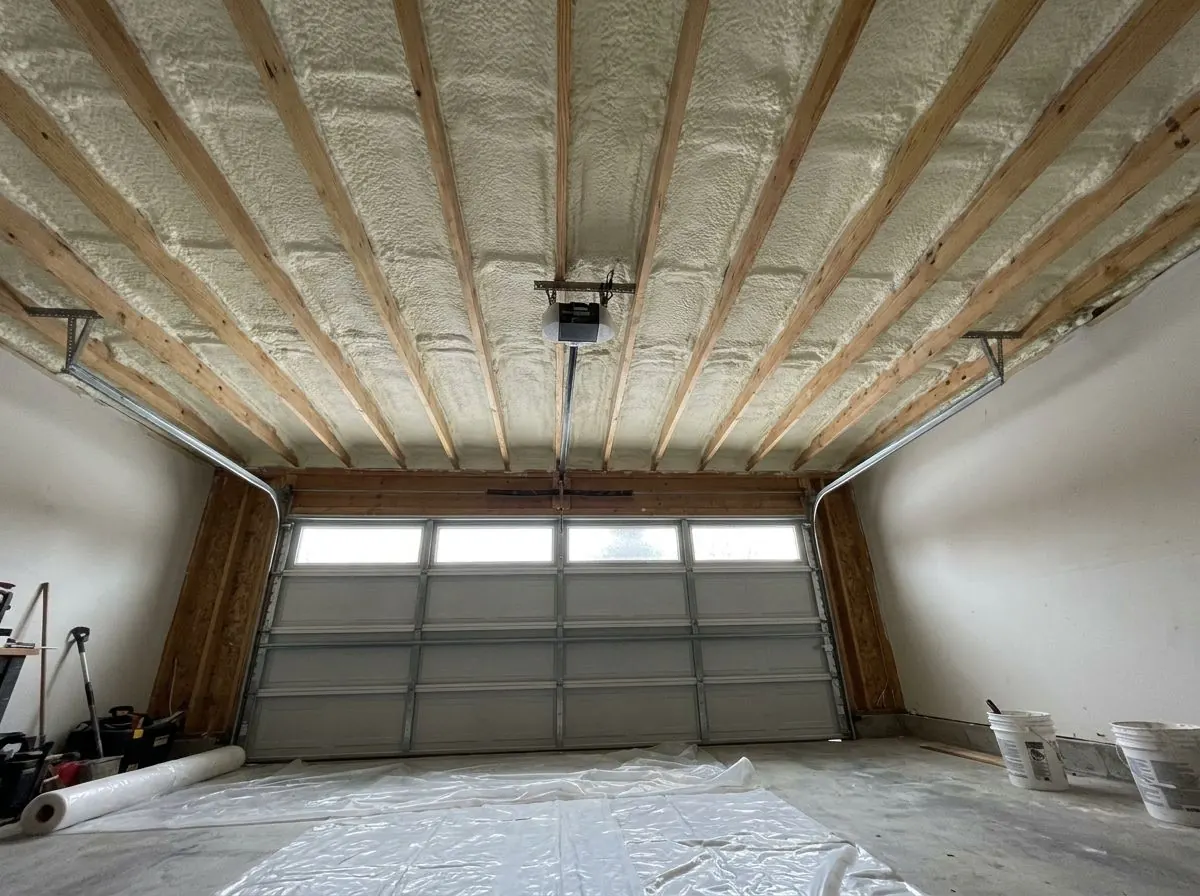
Bonus Rooms Over Garages
Closed-cell foam under the subfloor to warm a freezing room over the garage.
How it works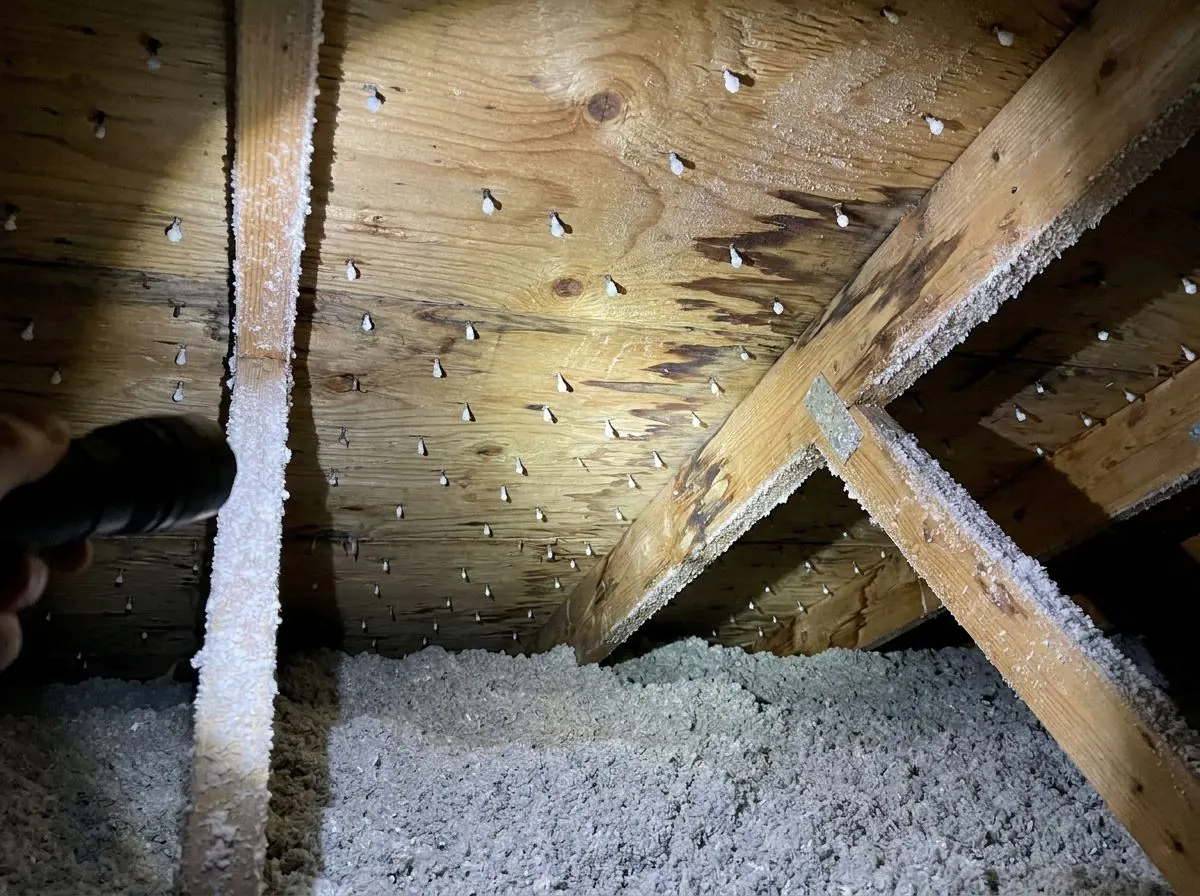
Ice Dam & Attic Frost Mitigation
Air sealing, soffit prep and an R-60 top-up to stop ice dams and attic frost.
How it works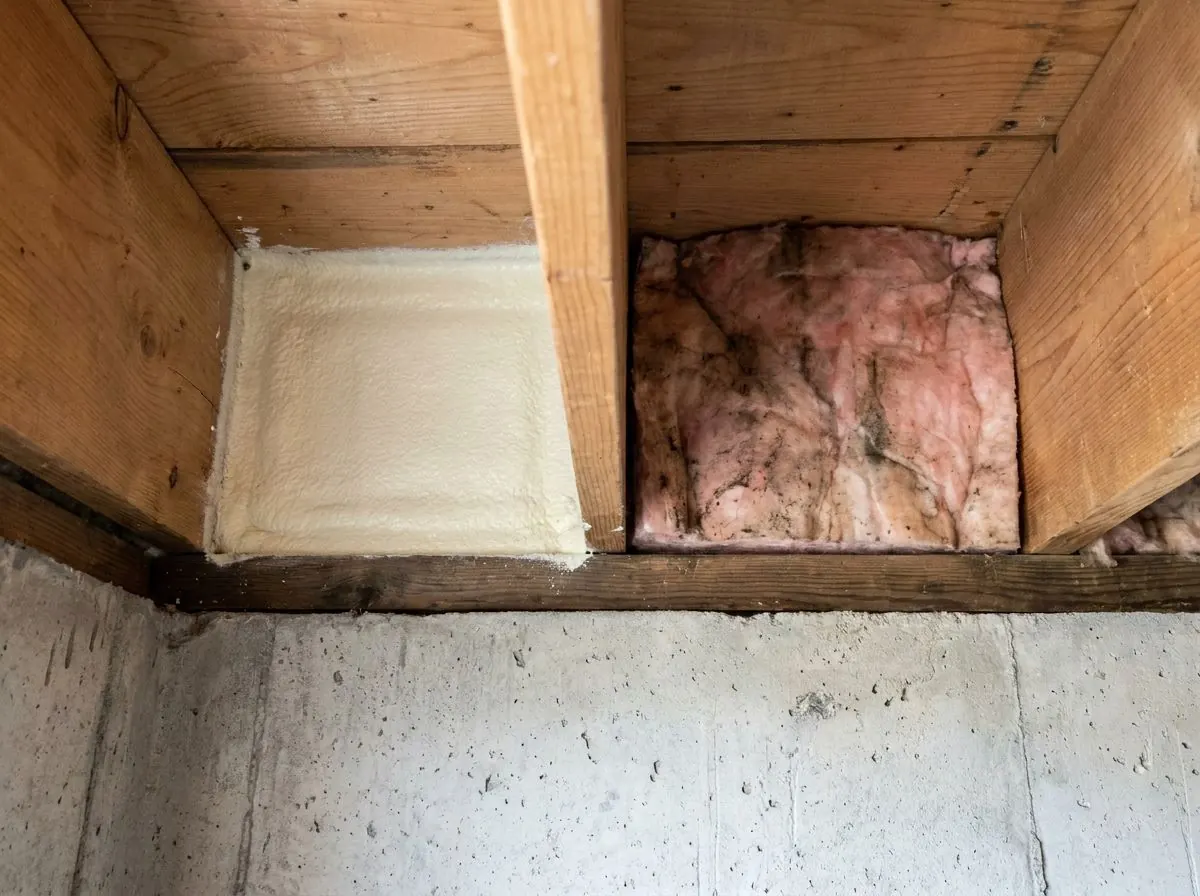
Cold Basement Walls & Rim Joists
Closed-cell foam on rim joists and foundation walls for warm, dry basements.
How it works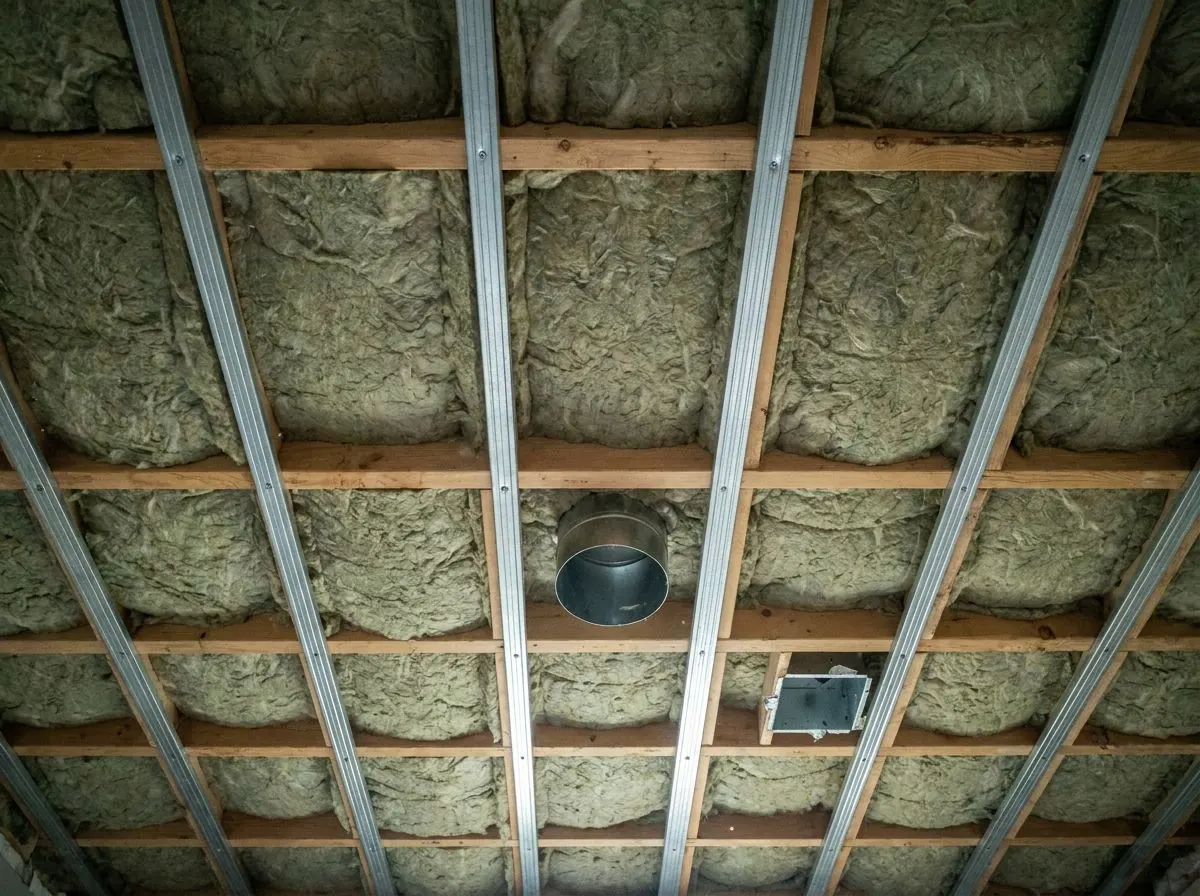
Secondary Suite Sound Isolation
Decoupled, sealed ceilings that cut noise between a basement suite and upstairs.
How it works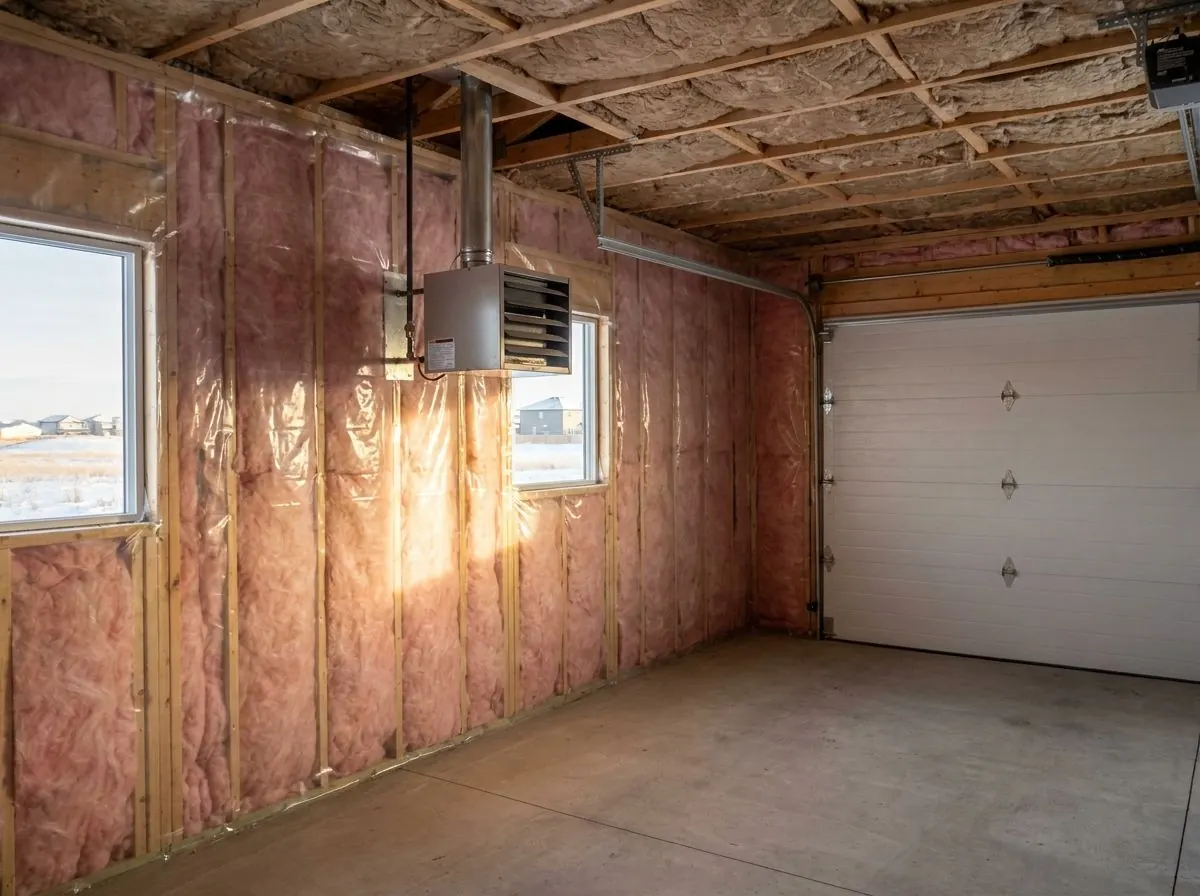
Detached & Heated Garages
Full thermal envelopes for detached and heated garages running gas unit heaters.
How it works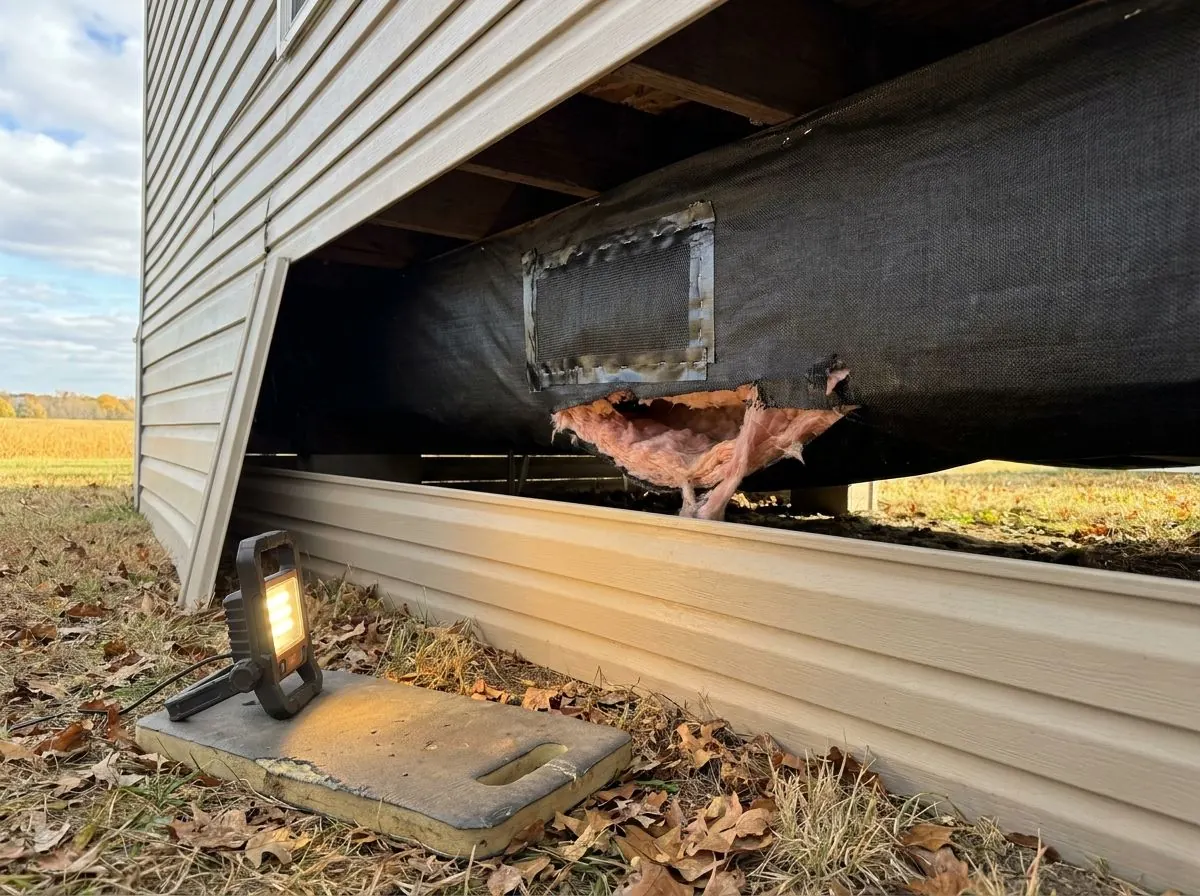
Mobile & Manufactured Homes
Belly board repairs, re-insulated floors and sealed skirting for manufactured homes.
How it worksChoosing Between Them
- Confirm the cold surface first
- An infrared scan on a cold morning shows whether a room is losing heat through the floor, ceiling, knee walls or windows. Treating the wrong surface is the most common and most expensive mistake.
- Deal with water and moisture sources
- Leaking foundations, bathroom fans venting into attics and roof damage must be fixed before insulation goes in. Insulation over a moisture problem hides it.
- Seal air before adding depth
- Whether it is an attic, a rim joist or a garage ceiling, stopping air movement usually delivers more comfort than extra inches of insulation. Depth comes after the seal.
- Match the fix to how the space is used
- A suite needs sound and fire-separation detailing, a heated garage needs protection over foam and combustion air, and a bonus room needs a gas-tight garage separation. Use drives the specification.
Home Problem Solving: Common Questions
I have more than one of these problems. Where should I start?
Can a home insulation fix be done in winter?
Do I need a building permit for these insulation jobs?
Other Insulation Services
Talk to Us About Home Problem Solving
Tell us what the space is and what is going wrong. We will recommend the system that fits, including when a cheaper one will do.